
News

Delivery

The Future of Logistics: Trends Shaping the Industry in 2025

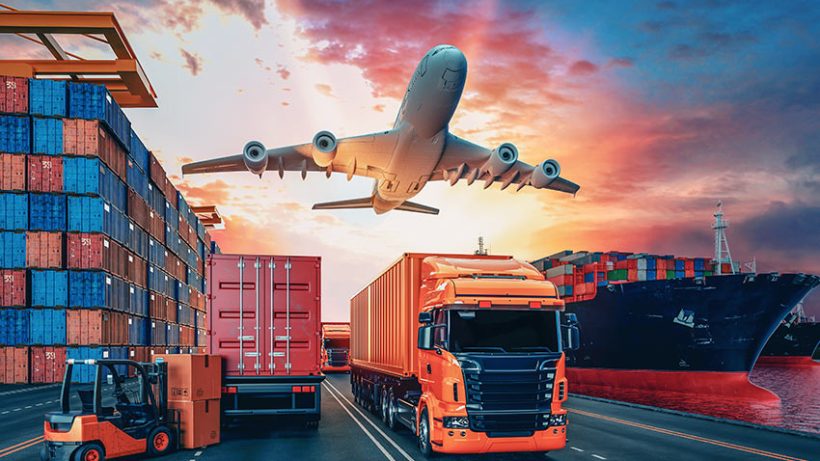
The logistics industry is evolving rapidly, driven by technology, consumer demand, and environmental concerns. As we step into 2025, several key trends are shaping the future of logistics: Artificial Intelligence & Automation: AI-driven predictive analytics and automated warehouses are enhancing supply chain efficiency. Machine learning helps optimize routes, reduce delays,
Delivery

Last-Mile Delivery: How to Optimize Speed and Reduce Costs

Last-mile delivery is one of the most crucial and expensive parts of the supply chain. It accounts for nearly 53% of total shipping costs and directly impacts customer satisfaction. Here’s how Allied Services optimizes last-mile delivery: Route Optimization Software: Using AI-powered route planning, we reduce delays, save fuel, and improve

Delivery

The Role of Technology in Modern Freight Management

Technology has transformed freight management, making it more efficient, reliable, and cost-effective. Here are key technologies driving change in logistics: GPS Tracking & IoT Sensors: Real-time tracking and Internet of Things (IoT) sensors help monitor cargo conditions, such as temperature and humidity, ensuring goods arrive in perfect condition. Cloud-Based Transportation

Logistics

Sustainable Logistics: How Allied Services is Reducing Carbon Footprint

Sustainability is no longer a choice; it’s a necessity. The logistics sector contributes significantly to carbon emissions, but Allied Services is committed to reducing its environmental impact through: Eco-Friendly Transportation: Investing in electric and hybrid vehicles to lower fuel consumption and emissions. Route Optimization: Using AI to find the shortest

Delivery

Cross-Border Shipping: Challenges and Solutions for Seamless Global Trade

International shipping presents unique challenges, including customs regulations, fluctuating tariffs, and varying logistics infrastructure. Here’s how businesses can navigate cross-border shipping efficiently: Understanding Customs Compliance: Partnering with logistics experts ensures smooth customs clearance and prevents shipment delays. Efficient Documentation Management: Digital invoices, import/export licenses, and real-time tracking help streamline international

Logistics

How Logistics Impacts E-commerce Growth and Customer Experience

E-commerce success is heavily dependent on efficient logistics. Here’s how logistics impacts online businesses: Fast & Reliable Deliveries: Customers expect same-day or next-day deliveries, making optimized supply chains crucial. Inventory Management: Real-time tracking and warehouse automation help prevent stockouts and overstocking. Reverse Logistics & Returns Handling: A smooth return process